September 15, 2026
A small yard does not have to feel limited when the right design choices are used. Thoughtful planning can transform a compact outdoor space into an inviting area that feels open, functional, and visually appealing. The key is to use available space strategically while creating the illusion of greater depth and dimension. From plant selection to hardscaping features, every element can contribute to a more spacious appearance. Homeowners can also divide their outdoor areas into purposeful zones without making the property feel crowded. Colors, textures, pathways, and focal points can all influence how large or small a yard appears. With smart landscape designing, even a modest property can become an enjoyable extension of the home. The following ideas can help homeowners maximize their outdoor space while creating a yard that feels much larger than its actual size.
Creating Clear and Purposeful Outdoor Zones
Dividing a small yard into designated areas can make the property feel more organized and functional. A seating area, garden space, walkway, and open section can each serve a specific purpose without overwhelming the yard. Clearly defined zones can prevent the outdoor area from appearing cluttered or randomly arranged. Homeowners can use subtle transitions between spaces, such as changes in paving materials or plant groupings. The goal is to create separation without installing large barriers that visually close off the property. Furniture should be selected based on the available space to avoid making seating areas feel cramped. Multi-functional features can also help homeowners get more use from limited square footage. Effective landscape designing allows each section of the yard to feel intentional while maintaining a sense of openness throughout the property.
Using Vertical Space for Greater Dimension
When ground space is limited, homeowners can look upward for additional design opportunities. Vertical gardens, trellises, climbing plants, and wall-mounted planters can add greenery without taking up valuable space. These features also draw the eye upward, creating the impression of a taller and more expansive outdoor environment. Fences can become useful design elements rather than simple boundaries when decorated with plants or decorative materials. Small trees with narrow growth patterns may also provide visual interest without overwhelming the property. Raised planters can introduce different heights and dimensions while keeping vegetation organized. Vertical elements should be placed carefully to avoid blocking natural light or making the yard feel enclosed. By incorporating height into the design, homeowners can create more visual layers and make a compact landscape feel more dynamic.
Choosing Plants That Enhance Openness
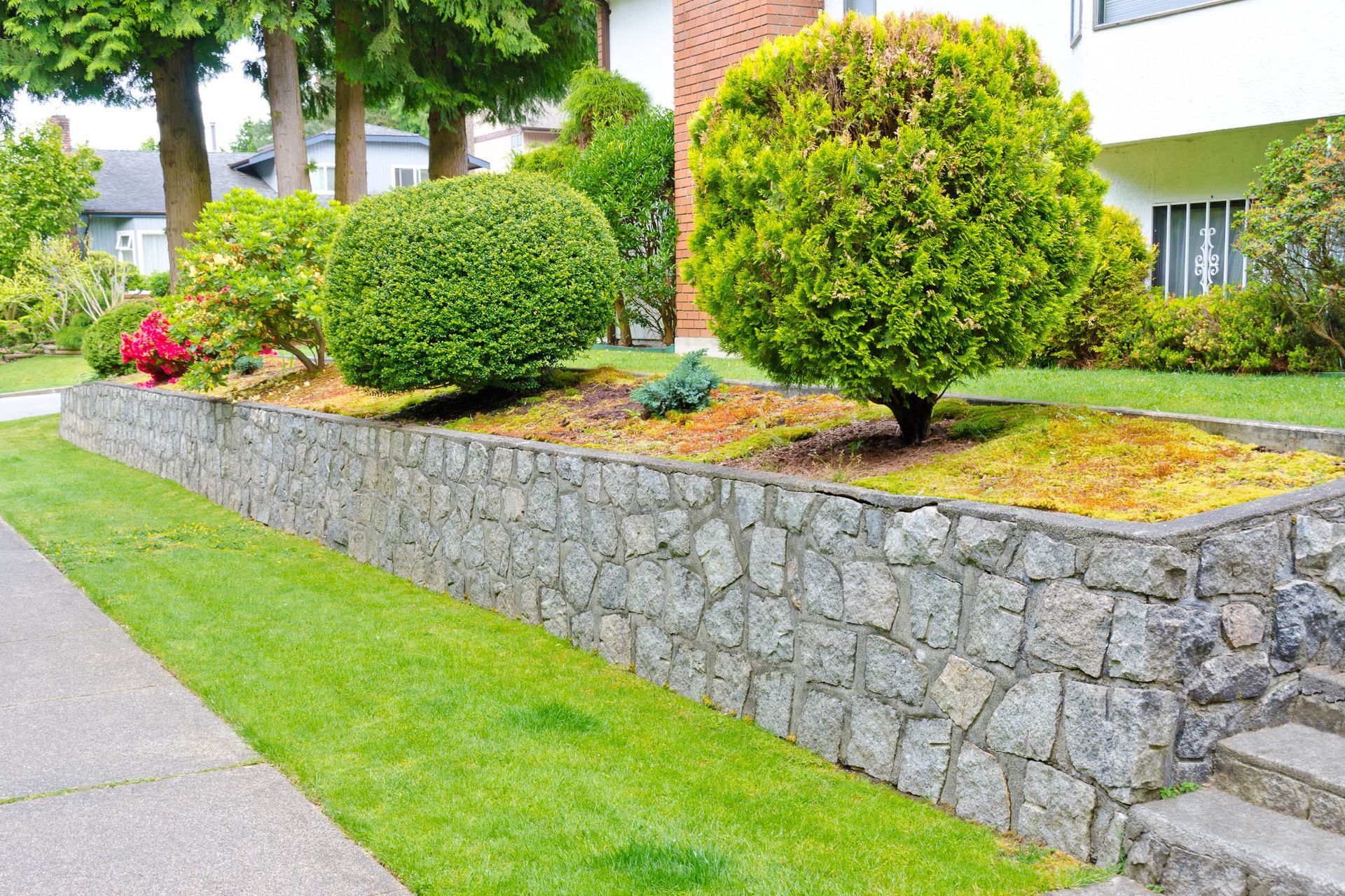
Plant selection can significantly affect whether a small yard feels spacious or crowded. Large, dense plants may overwhelm a compact area when they are placed too close together. Choosing vegetation with appropriate mature sizes can help maintain open sightlines throughout the property. Smaller plants and carefully positioned shrubs can add texture without blocking important views. Layering plants by height can also create depth and encourage the eye to move through the landscape. Homeowners may want to place taller vegetation toward the back of the property and shorter plants closer to viewing areas. According to LawnStarter, landscaping expenses for front and back yards are generally recommended to equal around 10% of a home's overall value. Thoughtful landscape designing can help homeowners make choices that support both the appearance of their property and their long-term investment.
Incorporating Curved Paths and Borders
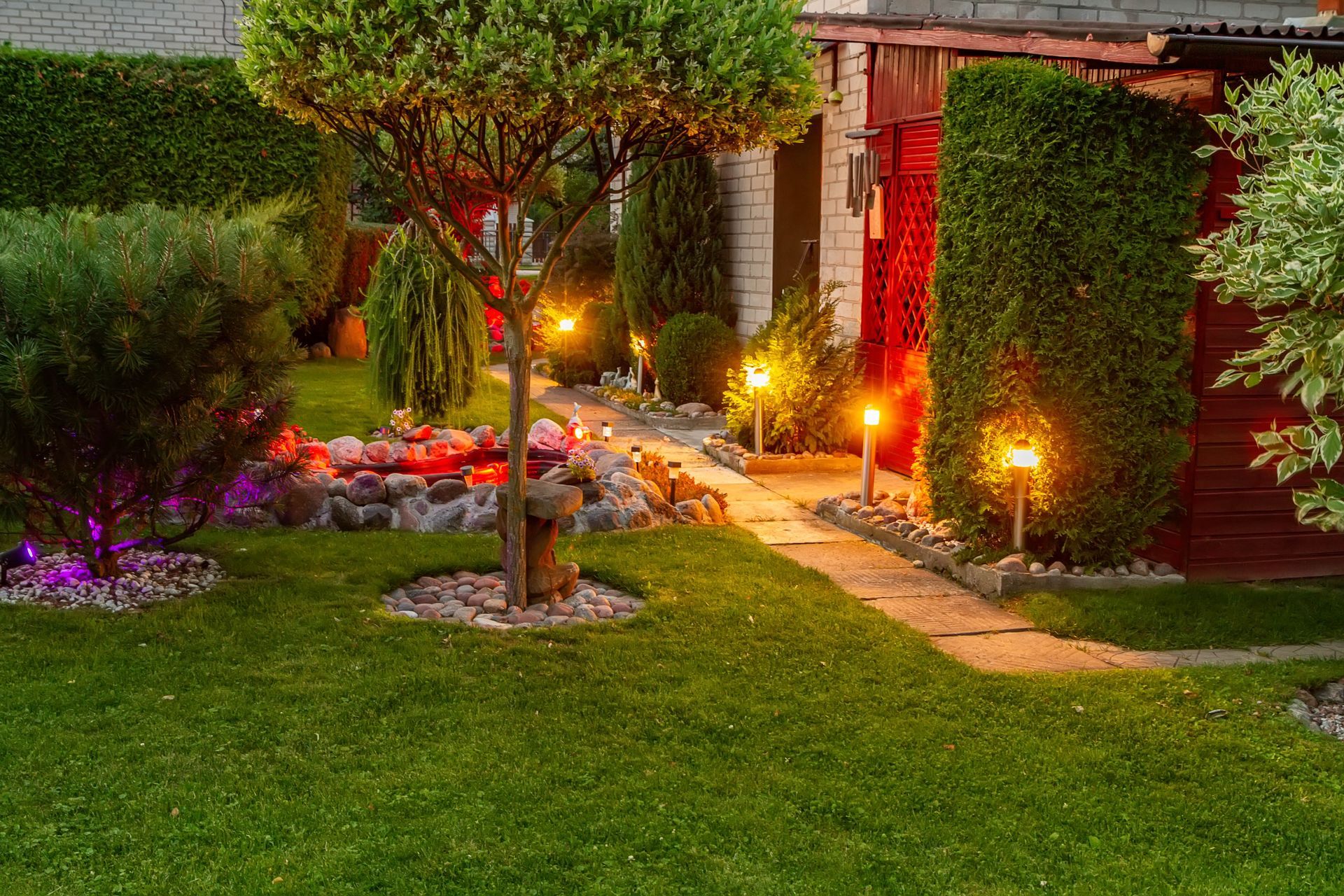
Straight lines can sometimes emphasize the limited dimensions of a small yard. Curved pathways and rounded planting borders can create a sense of movement and make an outdoor space appear deeper. A gently winding path encourages people to visually explore the yard rather than seeing the entire space at once. Curves can also soften the appearance of hardscaping features and create a more natural atmosphere. Materials such as stone, pavers, or decorative gravel can be used to establish pathways that complement the home's exterior. Borders can help organize garden beds while adding visual interest to otherwise simple areas. It is important to keep pathways proportionate to the size of the yard so they do not consume too much usable space. Strategic curves can make a compact landscape feel less rigid and encourage a greater sense of discovery.
Adding Focal Points for Visual Interest
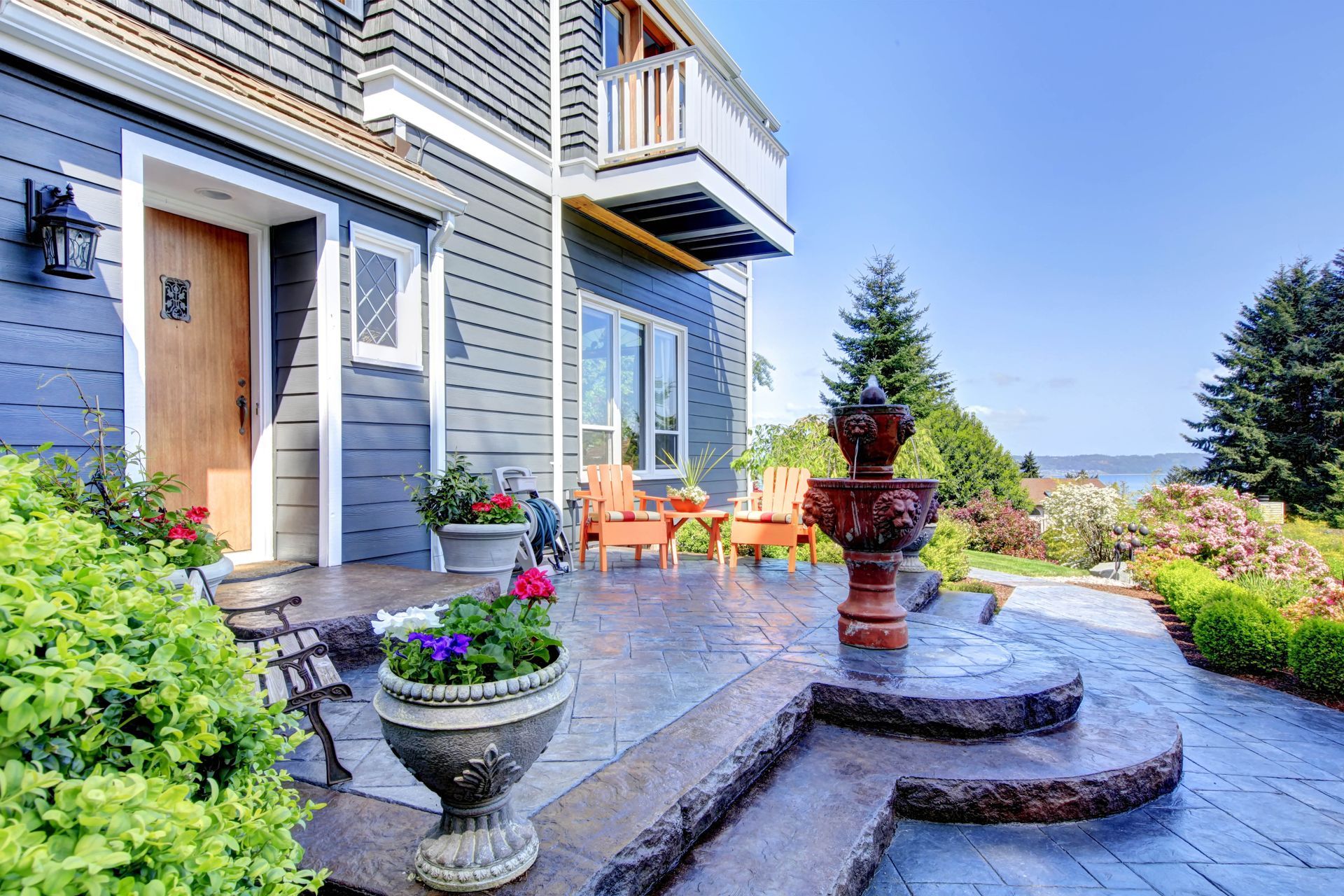
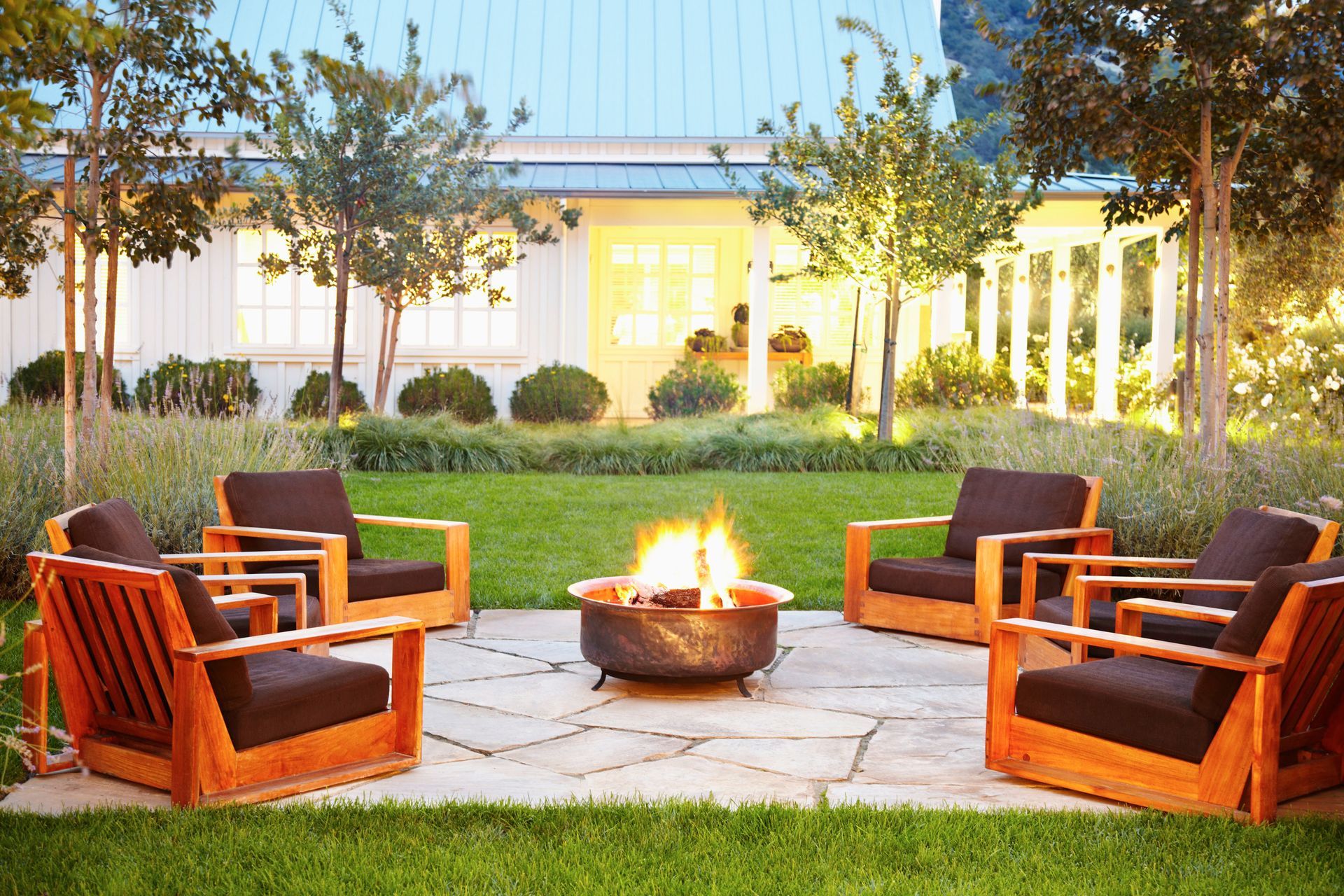
A focal point can give a small yard a stronger sense of purpose and direction. Water features, decorative trees, sculptures, fire pits, or unique seating areas can draw attention to specific parts of the property. When the eye is directed toward an appealing feature, the overall space can feel more layered and engaging. A focal point should complement the scale of the yard rather than dominating it. Oversized structures can quickly make a compact area feel crowded and reduce available functional space. Homeowners may choose one primary focal point and use smaller details to support the overall design. Placement is also important because the feature should be visible without obstructing movement through the yard. Well-planned landscape designing uses focal points to create interest while helping the outdoor area feel balanced and thoughtfully arranged.
Selecting Colors That Create Depth
Color can influence how people perceive the size and depth of an outdoor environment. Lighter colors often make surfaces appear more open, while darker colors can create contrast and visual definition. Homeowners can use color throughout plants, flowers, furniture, and hardscaping materials to guide attention through the yard. Cooler tones may appear to recede visually, helping create the impression of additional distance. Brighter colors can be used strategically near entryways or focal points to draw attention to specific areas. Repeating similar colors throughout the landscape can also create a sense of continuity. Too many competing colors may make a small space feel busy and disorganized. A balanced color palette can create visual harmony while making the entire property feel more connected and spacious.
Choosing Multi-Functional Outdoor Features
Limited outdoor space requires homeowners to make the most of every feature they include. Multi-functional furniture and structures can provide practical benefits without adding unnecessary clutter. A bench with built-in storage, for example, can offer seating while providing a place to keep gardening tools or outdoor accessories. Raised planters can define different areas while also serving as decorative features. A patio can function as a dining area, entertainment space, and relaxation zone depending on how it is furnished. Built-in elements may also help reduce the need for multiple separate pieces of furniture. Selecting appropriately sized features ensures that the yard remains easy to navigate and comfortable to use. Smart landscape design focuses on combining beauty and functionality so homeowners can enjoy more from every available square foot.
Maintaining a Clean and Balanced Appearance
A well-maintained yard can feel significantly larger than one filled with unnecessary clutter. Regular trimming, pruning, and cleaning help preserve open sightlines and prevent plants from overtaking the property. Outdoor furniture, tools, and accessories should have designated storage areas when they are not in use. Keeping pathways clear can also improve the flow and functionality of the landscape. Homeowners should periodically evaluate whether certain features continue to serve a useful purpose. Removing outdated or overcrowded elements can create more room for features that better match current needs. Balance is essential because an overly decorated yard may feel just as restrictive as an undeveloped one. Consistent maintenance allows the original landscape design plan to remain visible and effective throughout changing seasons.
Homeowners ready to transform a compact outdoor area can turn to T.J.S. Enterprises Inc for professional landscaping solutions. From creative layouts to functional outdoor features, the company can help develop a design that makes better use of every available space. Contact us today to start creating an outdoor environment that feels larger, more beautiful, and better suited to your property.