October 28, 2026
Planning outdoor improvements requires a thorough evaluation of financial scope, spatial priorities, and long-term property goals. Enhancing property surroundings involves balancing immediate installation expenses with ongoing upkeep to ensure lasting value. Understanding structural needs and ongoing landscape maintenance ensures that outdoor spaces remain both visually striking and economically viable for years to come. Investing time into understanding layout dynamics, soil conditions, and regional climate factors helps establish a realistic roadmap before ground is broken.
A successful outdoor project blends structural features with living natural elements in a way that complements architectural design. Homeowners often underestimate the ongoing commitment required to preserve newly established outdoor areas. By anticipating recurring upkeep early, property owners protect their financial assets while cultivating outdoor spaces that grow more beautiful each passing year. Comprehensive planning bridges the gap between initial conceptual designs and sustainable real-world execution.
Establishing clear priorities between decorative enhancements and practical structural needs lays a firm foundation for any property makeover. Decisions made during initial design phases dictate future labor requirements, irrigation demands, and overall material longevity. Balancing aesthetic desires with realistic financial expectations guarantees that outdoor living spaces remain sources of relaxation rather than vectors of financial strain.
Calculating Baseline Property Valuation Guidelines
Determining an appropriate financial plan begins with evaluating overall residence value. According to LawnStarter, homeowners should anticipate spending approximately 10% of their property's overall market value on comprehensive front and back yard transformations. Applying this proportional guideline helps property owners establish realistic expectations before commencing major groundwork. A balanced budget prevents over-capitalization while ensuring high-quality structural and vegetative installations.
Allocating funds strategically across different areas ensures cohesive aesthetic design and optimal function. Distributing resources between hardscaping elements and living elements generates balanced curb appeal. Incorporating routine landscape maintenance into initial project calculations protects investment longevity from the start. Taking time to map out these structural priorities prevents unexpected budget shortfalls during active construction phases.
Dividing the project into distinct execution phases allows property owners to manage costs smoothly without taking on overwhelming debt. Phase one might concentrate on foundational grading, drainage solutions, and main pathway construction. Phase two can focus on living elements like sod placement, shrub installation, and garden bed layout.
Evaluating Primary Expenses for Front Yard Concepts
Front entrance zones demand careful design due to high visibility and initial curb impression requirements. Focal features like paved pathways, architectural lighting, and decorative stone walls command significant portions of early expenditure. Choosing durable materials reduces future replacement demands while creating a welcoming approach to the primary residence structure.
Selecting appropriate flora directly impacts future maintenance routines and immediate cost structures. Native shrubs and perennial vegetation reduce long-term irrigation demands while stabilizing surrounding soil beds. Scheduled landscape maintenance preserves these initial plantings, preventing premature decay and costly replacements. Strategic vegetation placement also enhances architectural highlights across the front elevation.
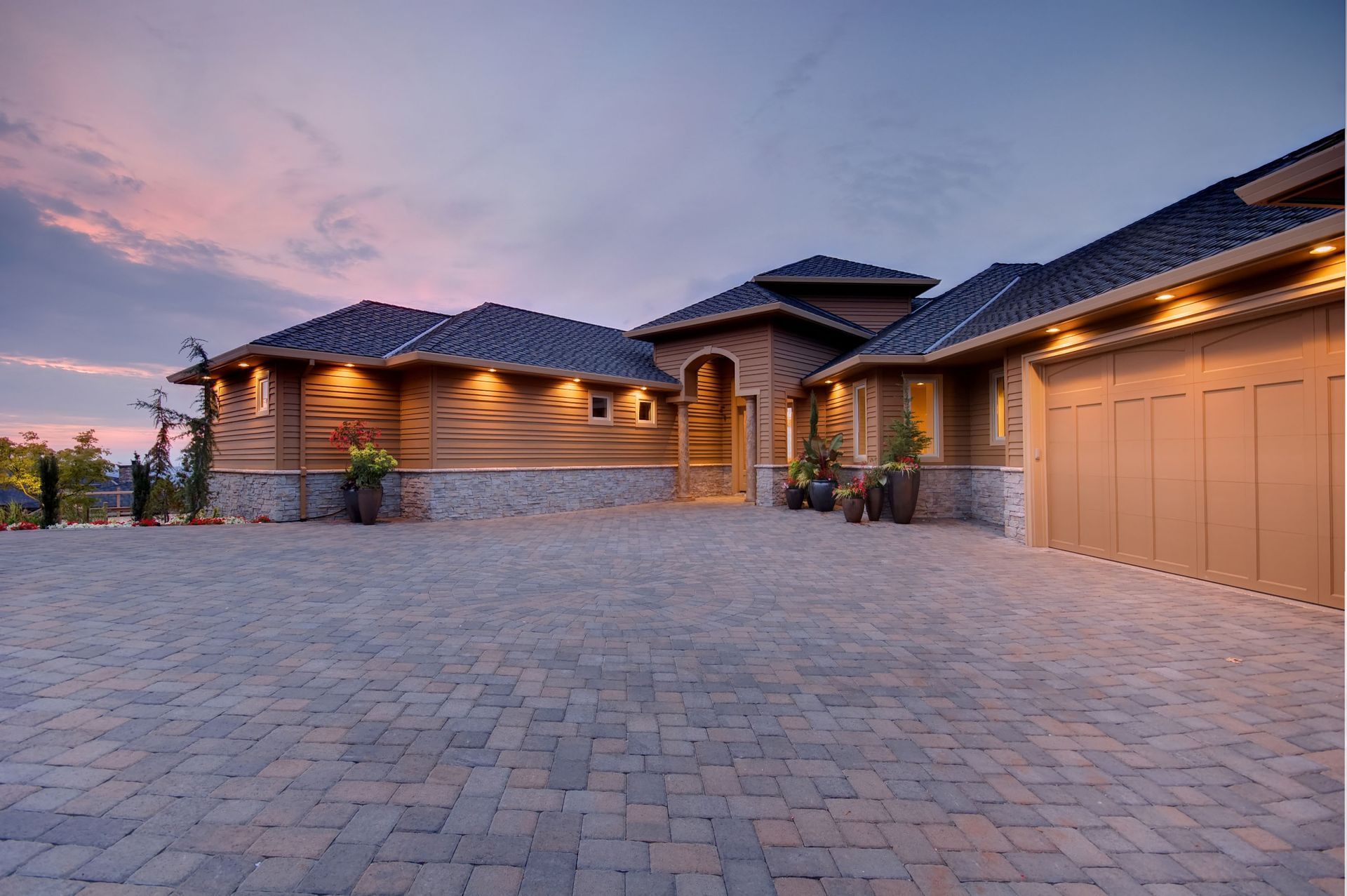
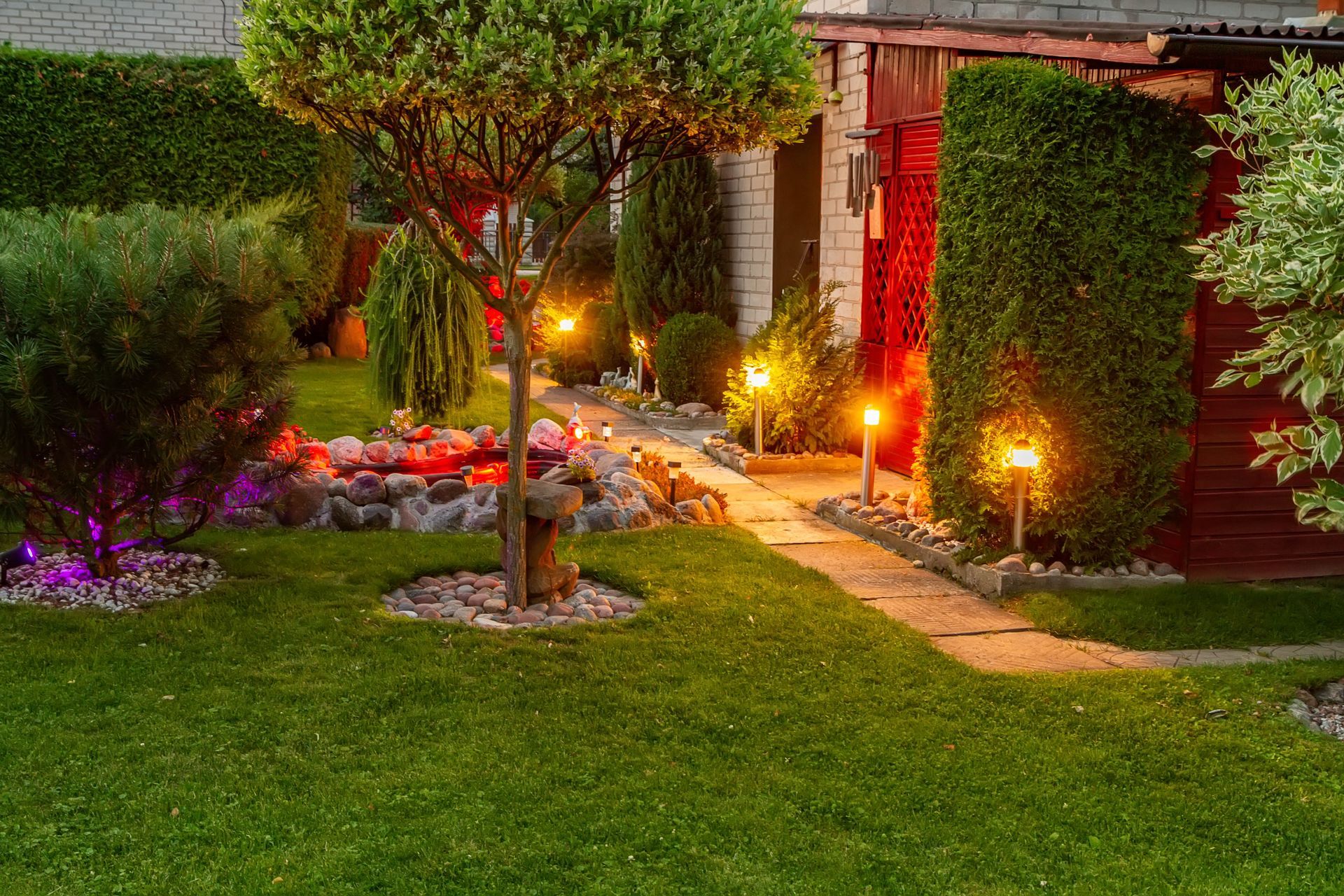
Entryway pathways require careful material selection to withstand constant foot traffic and changing seasonal conditions. Natural stone pavers provide timeless beauty and exceptional strength, though concrete pavers offer a versatile alternative at a lower cost point. Incorporating outdoor lighting along walkways increases night safety while highlighting decorative plants.
Proper lawn selection plays a vital role in front yard aesthetics and ongoing care requirements. Choosing grass varieties tailored to local sunlight exposure and soil chemistry minimizes weed invasion and disease vulnerability. Establishing healthy soil conditions through proper aeration and organic enrichment ensures vibrant, lush turf that frames the entire property frontage beautifully.
Assessing Core Elements of Rear Yard Transformations
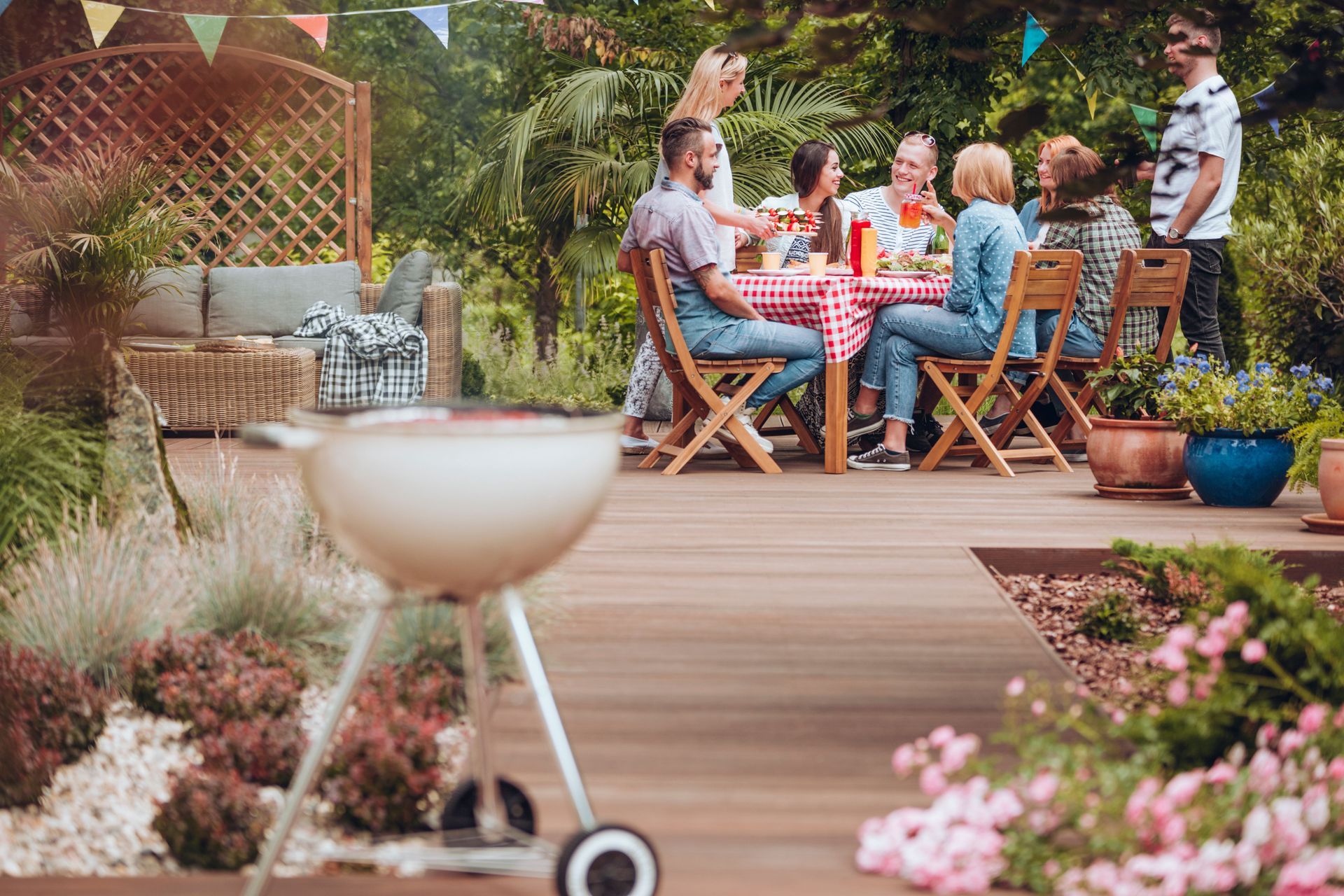
Backyard areas frequently prioritize personal utility, outdoor entertainment spaces, and private leisure features. Constructing patio surfaces, retaining walls, and outdoor cooking hubs requires skilled labor and heavy structural materials. These foundational elements represent substantial upfront investments that significantly enhance usable square footage.
Incorporating natural living elements around structural features softens hard edges and creates inviting atmospheres. Professional landscape maintenance helps control aggressive root growth, keeping modern hardscapes safe from structural disruption over time. Designing functional zones thoughtfully allows homeowners to maximize enjoyment while controlling recurring upkeep obligations.
Creating designated zones for relaxation, dining, and recreation helps organize rear property spaces efficiently. Patios serve as natural outdoor living rooms, seamlessly extending indoor interior design into outdoor surroundings. Adding privacy screening through strategic hedge placement or timber fencing builds tranquil retreats isolated from neighboring views.
Managing Ongoing Care and Preservation Expenses
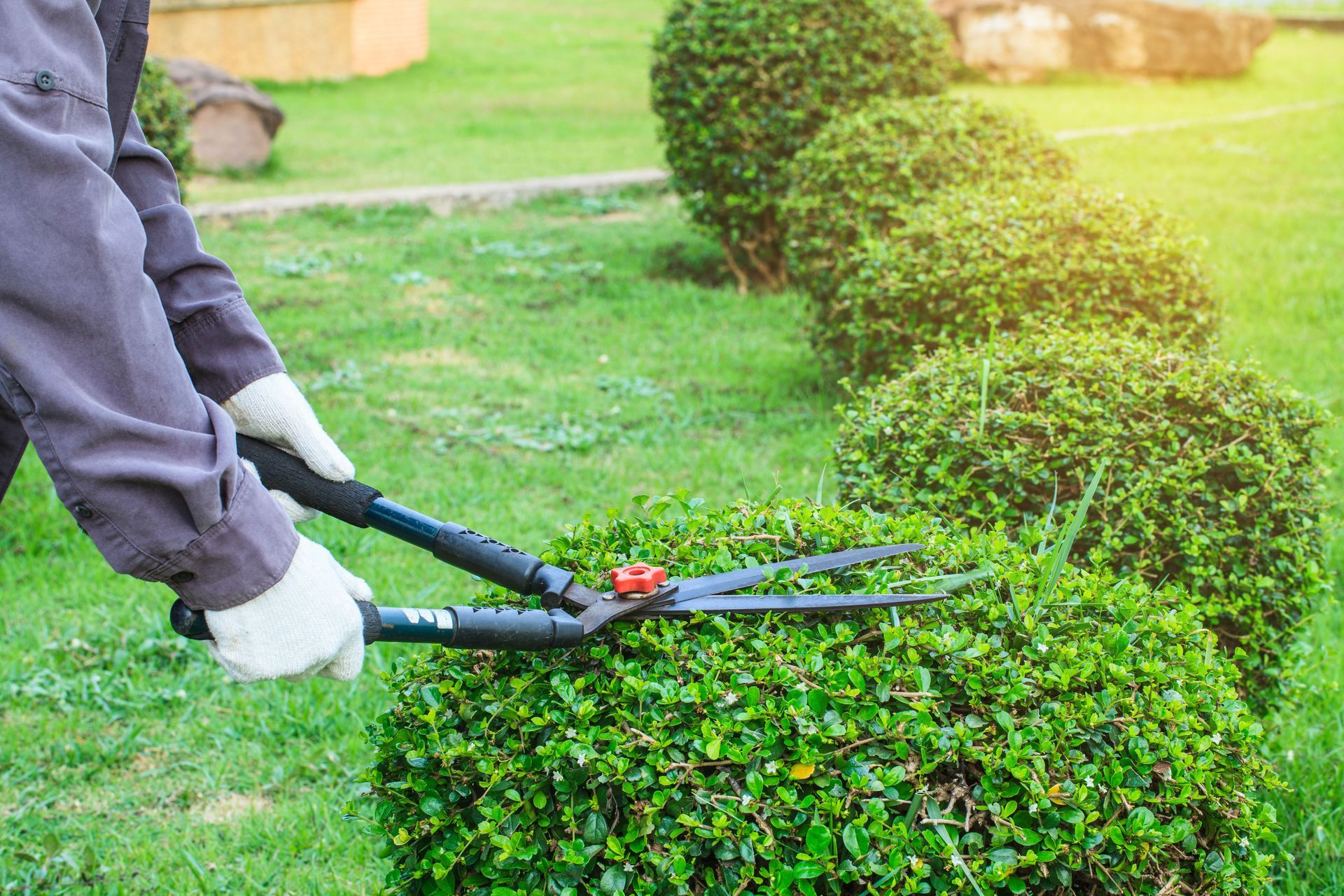
Initial construction represents only one portion of long-term financial commitments associated with outdoor transformations. Systemic landscape maintenance requires routine attention, including turf fertilization, pest control, seasonal pruning, and deep hydration management. Budgeting for recurring services ensures that living materials mature healthily and maintain planned aesthetics.
Ignoring routine upkeep leads to rapid deterioration of vegetative elements and structural installations alike. Neglected drainage channels cause soil erosion, while unmanaged roots undermine stone walkways and custom patio foundations. Consistent landscape maintenance shields homeowners from sudden expensive repairs, preserving structural integrity across every outdoor zone.
Seasonal adjustments to care routines are crucial for preserving vegetative health throughout varying weather cycles. Spring preparations involve soil enrichment, mulching garden beds, and inspecting irrigation heads for freeze damage. Summer focus shifts to moisture management, pest suppression, and weed control across lawn areas.
Factoring Material Durability Into Long-Term Value
Material choices directly dictate both immediate invoice totals and long-term upkeep demands. Natural stone offers enduring beauty but carries higher acquisition and installation costs compared to concrete pavers. Choosing premium materials often pays dividends by lowering frequency demands for restorative repairs.
Surrounding living elements require equal consideration regarding climate resilience and water consumption needs. Incorporating drought-tolerant flora decreases monthly utility bills while remaining resilient during severe weather conditions. Proactive landscape maintenance keeps these species flourishing, ensuring outdoor environments retain vibrant appeal without consuming excessive time or operational capital.
Hardscape sealing protects exposed stone and concrete surfaces from moisture penetration, oil staining, and freeze-thaw cracking. Regular application of high-grade surface sealants extends material lifespans significantly while preserving rich color tones. Investing in protective treatments during initial installation minimizes long-term restoration expenditures.
Selecting appropriate mulch materials protects garden bed soil from moisture loss and extreme temperature spikes. Organic options like shredded bark or pine straw enrich soil beds as they slowly break down over time. Inorganic choices like gravel or river rock offer permanent weed suppression and stable soil coverage that requires minimal replenishment.
Balancing Custom Features With Practical Utility
Custom water features, built-in seating, and outdoor fireplaces elevate backyard functionality but increase base estimates. Specialized features require dedicated utility connections, precise masonry skills, and specialized maintenance protocols over their operational lifespan. Carefully weighing custom requests against core lifestyle requirements keeps project goals grounded and economically manageable.
Proper integration of custom elements ensures long-term harmony across all outdoor living areas. Combining custom features with consistent landscape maintenance protects complex operational components like pumps, lighting fixtures, and gas lines. Smart planning ensures that decorative enhancements deliver lasting satisfaction without imposing unsustainable ongoing duties.
Integrating automated smart irrigation systems optimizes water distribution efficiency based on real-time weather forecasting data. Drip lines deliver water directly to plant root zones, minimizing evaporation losses and foliage fungal issues. Smart controls save resources while ensuring living elements receive precise moisture levels throughout every growing season.
Partnering with established industry experts ensures every phase of outdoor transformation executes flawlessly from start to finish. Reach out to T.J.S. Enterprises Inc today to schedule a comprehensive consultation and turn outdoor visions into lasting reality.