November 2, 2026
Permeable pavers have become an increasingly popular choice for homeowners seeking sustainable, attractive, and functional outdoor spaces. Unlike traditional pavement, these innovative materials allow rainwater to pass through specially designed joints or openings, reducing surface runoff and improving drainage. Whether used for driveways, patios, or walkways, permeable pavers offer numerous environmental, financial, and aesthetic advantages. Working with an experienced landscaping business can help homeowners select appropriate materials and create outdoor spaces that combine lasting beauty with practical performance.
Understanding the Environmental Benefits of Permeable Pavers
One of the most significant advantages of permeable pavers is their ability to support environmentally responsible landscaping. Traditional concrete and asphalt surfaces prevent rainwater from entering the soil, increasing runoff and placing additional pressure on municipal drainage systems. Permeable surfaces help address these concerns by allowing water to filter through the pavement into underlying aggregate layers.
This natural drainage process can reduce standing water, minimize soil erosion, and help protect nearby landscaping features. During heavy rainfall, properly designed permeable systems temporarily store water beneath the surface before allowing it to infiltrate the soil or enter a designated drainage outlet. This approach contributes to more effective stormwater management.
According to the Concrete Masonry & Hardscapes Association, Permeable Interlocking Concrete Pavers (PICP) saw growth in 2023, with average production increasing by 5.8%. This growth reflects increasing interest in permeable paving solutions as homeowners and contractors explore sustainable alternatives to conventional pavement. As awareness of environmentally responsible landscaping continues to expand, these materials offer a practical way to combine effective drainage with attractive outdoor designs.
Additionally, permeable paving can support groundwater recharge when underlying soil conditions permit infiltration. By reducing runoff, these installations may also decrease the amount of sediment and certain pollutants reaching nearby waterways. Homeowners interested in environmentally friendly improvements can consult a landscaping business to determine whether their property is suitable for this sustainable paving solution.
Reducing Surface Temperatures and Urban Heat
Urban heat islands develop when buildings, roads, and paved surfaces absorb and retain significant amounts of solar energy. These conditions can make outdoor environments uncomfortable, particularly during summer. Certain permeable paving systems can help moderate surface temperatures through evaporation and the use of lighter-colored materials that reflect sunlight.
Choosing appropriate colors and materials can improve comfort around patios, walkways, and outdoor gathering areas. However, cooling performance depends on factors such as moisture availability, pavement composition, and surrounding shade. Incorporating trees, vegetation, and strategically positioned landscaping features can provide additional temperature regulation.
Homeowners can combine permeable paving with other sustainable design elements to create more comfortable outdoor environments. These improvements may make recreational areas more enjoyable while contributing to broader neighborhood efforts to manage excessive heat.
Improving Long-Term Cost Efficiency
Although permeable pavers may require a higher initial investment than conventional paving materials, they can offer financial advantages over time. Their ability to manage stormwater may reduce the need for certain drainage improvements, depending on the property's conditions and local regulations. Proper installation also supports durability and minimizes premature deterioration.
Individual pavers can often be removed and replaced without reconstructing an entire paved surface. This flexibility makes localized repairs more manageable than repairs involving continuous concrete slabs. However, routine maintenance remains necessary to preserve drainage performance and prevent sediment accumulation.
A professional landscaping business can evaluate installation expenses, drainage requirements, and anticipated maintenance needs before recommending a suitable system. Comparing these factors helps homeowners understand the potential long-term value of permeable paving and make informed decisions about their outdoor investments.
Enhancing Property Value and Market Appeal
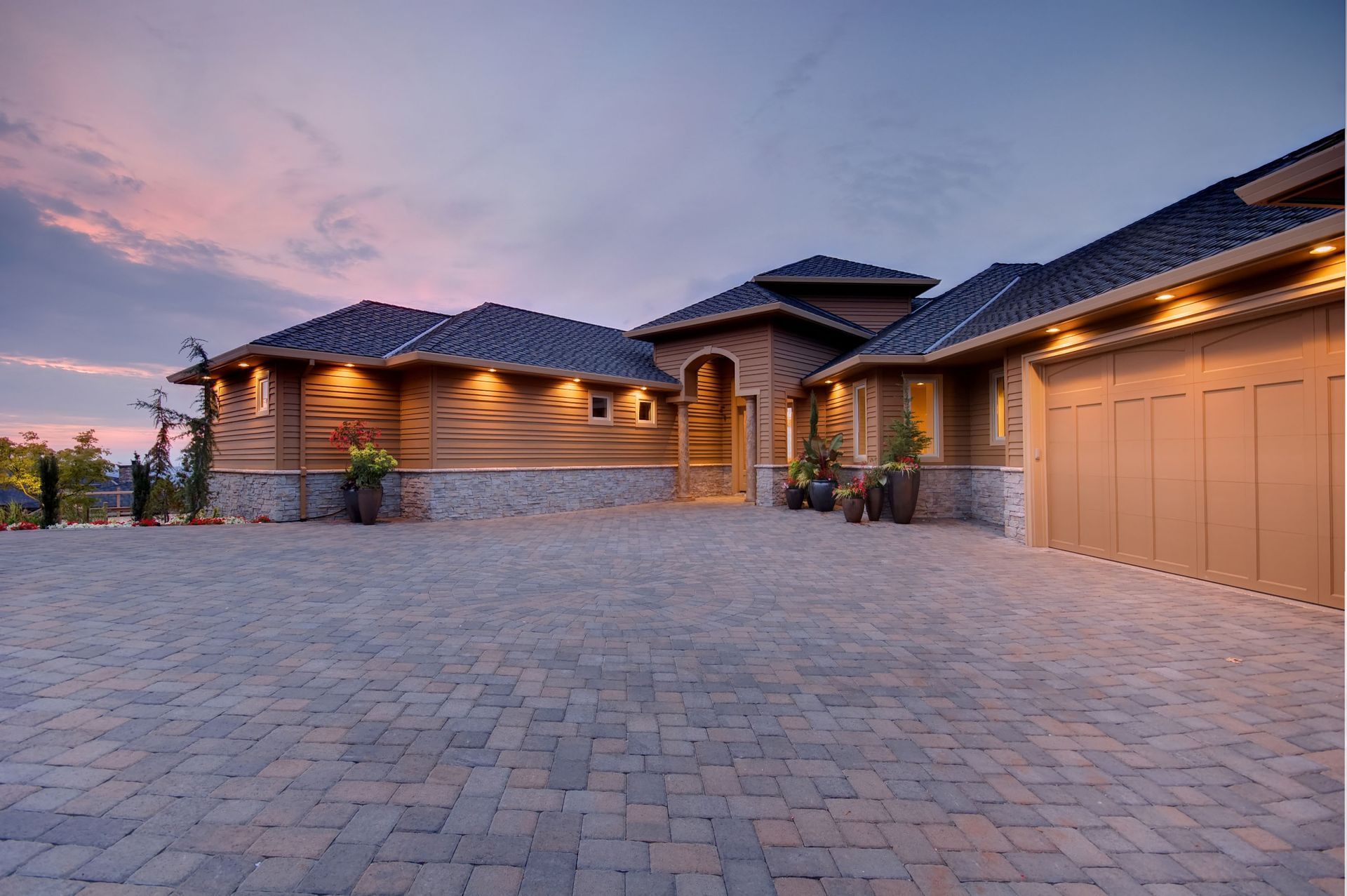
Attractive landscaping contributes to a property's overall presentation and can influence prospective buyers. Permeable pavers combine visual appeal with practical environmental benefits, making them a desirable feature for homeowners interested in sustainable property improvements. Their clean appearance can complement residential architecture while creating functional outdoor living areas.
Driveways, patios, and pathways constructed with coordinated paving materials can establish a cohesive landscape design. Homeowners can select patterns, textures, and colors that complement existing structures, gardens, and decorative features. These details create an inviting environment that enhances the property's appearance.
Although increased resale value is not guaranteed, professionally designed outdoor improvements may strengthen market appeal. Buyers who appreciate attractive, manageable outdoor spaces may view permeable paving as a valuable addition, particularly in areas where effective drainage is important.
Providing Durability and Reliable Performance
Permeable pavers are engineered to withstand regular pedestrian activity and, when appropriately specified, vehicle traffic. Their individual units distribute loads through a carefully constructed aggregate foundation. This structural design makes them suitable for residential driveways, patios, and other frequently used outdoor surfaces.
In colder climates, properly installed permeable systems can help reduce certain freeze-thaw problems by limiting standing water near the pavement surface. Nevertheless, performance depends on appropriate materials, foundation preparation, drainage capacity, and maintenance practices.
Working with a qualified landscaping business helps ensure the installation matches expected traffic loads and environmental conditions. Selecting durable materials and establishing a suitable foundation can significantly improve the reliability and lifespan of the finished surface.
Creating Versatile and Attractive Outdoor Designs
Permeable pavers are available in numerous shapes, colors, textures, and patterns, offering flexibility for different architectural styles. Homeowners can choose contemporary geometric arrangements, traditional stone-inspired finishes, or decorative patterns that complement surrounding landscaping features.
These materials work particularly well when incorporated into coordinated outdoor designs. A patio might feature contrasting borders, while a garden pathway could use subtle earth tones to complement nearby plants. Decorative arrangements can also define seating areas, outdoor kitchens, and recreational spaces.
An experienced landscaping business can help homeowners develop designs that balance visual preferences with functional requirements. Coordinating pavement colors, landscape lighting, garden beds, and outdoor furnishings creates a polished appearance that improves the overall enjoyment of the property.
Expanding Practical Applications Throughout the Property
Permeable pavers can accommodate numerous residential applications, including driveways, patios, garden walkways, and courtyard areas. Their drainage capabilities make them especially useful in locations where surface water frequently accumulates. When correctly installed, they provide stable walking surfaces while supporting effective water management.
Garden pathways benefit from permeable paving because these surfaces can reduce muddy conditions and improve accessibility. Homeowners can establish clearly defined routes between flower beds, seating areas, and outdoor structures without relying entirely on impermeable pavement.
Commercial properties and public spaces may also benefit from these materials. Courtyards, pedestrian plazas, and selected parking areas can incorporate permeable systems to improve drainage and enhance appearance. Each application requires appropriate engineering considerations to accommodate expected loads and local environmental conditions.
Preparing the Site for Proper Installation
Successful permeable paver installation begins with evaluating soil characteristics, drainage patterns, and anticipated surface usage. Contractors must determine whether the underlying soil can absorb water adequately or whether an additional drainage system is necessary. Proper planning helps prevent standing water, uneven settlement, and premature surface damage.
Excavation creates space for the aggregate foundation that supports the pavers and temporarily stores infiltrating rainwater. The required excavation depth depends on soil conditions, expected traffic, and stormwater storage requirements. Clean, appropriately graded aggregate materials are essential for maintaining drainage capacity.
A knowledgeable landscaping business can coordinate site preparation, material selection, and installation techniques to achieve dependable results. Attention to foundation stability, proper joint spacing, and suitable drainage outlets ensures the completed system performs as intended.
Maintaining Permeable Pavers for Lasting Results
Routine maintenance is essential for preserving the appearance and drainage performance of permeable paving systems. Leaves, soil, and other debris can accumulate within pavement joints, gradually restricting water infiltration. Regular sweeping and periodic vacuum cleaning help remove sediment before significant blockages develop.
Homeowners should also inspect paved surfaces for shifting, uneven areas, and damaged individual units. Addressing these concerns promptly can prevent more extensive repairs. Joint aggregate may occasionally require replenishment, particularly after cleaning or localized maintenance work.
Homeowners seeking sustainable improvements can benefit from working with a reputable landscaping business to explore suitable permeable paving options. With thoughtful design and appropriate installation practices, permeable pavers can create attractive, functional outdoor environments that remain valuable for years to come. Contact T.J.S. Enterprises Inc today and learn more about our landscaping services.