November 10, 2026
A beautiful landscape requires more than attractive plants, healthy grass, and thoughtfully designed outdoor features. Proper water management is essential for protecting your property's appearance, functionality, and long-term health. Without effective drainage, excess water can damage vegetation, erode soil, and create persistent problems throughout your yard.
At T.J.S. Enterprises Inc., we understand how important reliable drainage solutions are for maintaining beautiful, functional outdoor spaces. From traditional drainage systems to innovative landscaping techniques, professional planning helps homeowners protect their investments while improving the overall condition of their properties.
Understanding How Proper Drainage Protects Your Landscape
Proper drainage allows excess water to move away from vulnerable areas without damaging the surrounding landscape. When soil becomes oversaturated, plant roots may struggle to absorb oxygen, resulting in poor growth, discoloration, and potentially root rot.
Standing water can also create muddy conditions, attract mosquitoes, and make outdoor spaces difficult to enjoy. Over time, recurring moisture problems may compromise walkways, patios, and other landscaping features.
Another concern is soil erosion. Heavy rainfall can wash away valuable topsoil, particularly on sloped properties. This process exposes roots, weakens vegetation, and creates uneven ground.
Professionally designed drainage solutions help control water movement, preserve soil stability, and support healthier landscaping. By addressing moisture concerns early, homeowners can reduce the likelihood of extensive property damage.
Recognizing Common Signs of Poor Landscape Drainage
Drainage problems often develop gradually, making early identification particularly important. Persistent puddles, soggy lawns, and unusually damp soil can indicate that water is not moving through the landscape efficiently.
Homeowners may also notice yellowing grass, struggling plants, or areas where vegetation repeatedly fails to grow. These symptoms sometimes result from compacted soil, excessive moisture, or insufficient water movement.
Improper grading is another frequent contributor. When a property slopes toward a building instead of away from it, rainwater may accumulate near foundations or other vulnerable structures.
At T.J.S. Enterprises Inc., we recognize that every property has unique characteristics. Understanding soil composition, elevation changes, and existing landscape features helps determine which drainage solutions will provide dependable results.
A professional assessment can identify underlying causes rather than simply addressing visible symptoms.
Exploring Traditional Methods for Managing Excess Water
Traditional drainage systems remain valuable because they provide dependable ways to redirect water and protect landscaped areas. Different methods serve different purposes depending on soil conditions, property layout, and runoff patterns.
French drains are commonly used to collect and redirect subsurface water. These systems typically feature perforated pipes surrounded by gravel, allowing accumulated moisture to move toward an appropriate discharge location.
Dry wells collect runoff and allow it to gradually infiltrate surrounding soil. Their effectiveness depends on local soil conditions, available space, and groundwater levels.
Swales are shallow, landscaped channels designed to guide surface water along a controlled path. They can help reduce erosion while blending naturally into surrounding outdoor spaces.
Selecting appropriate drainage solutions requires more than choosing a familiar system. Professional evaluation helps establish whether a particular method can safely accommodate expected water volumes and site conditions.
Correct placement and installation are essential for reliable long-term performance.
Exploring Modern Techniques for Sustainable Water Management
Modern landscaping offers additional opportunities to manage stormwater while improving outdoor aesthetics. Innovative materials and environmentally conscious designs can complement conventional systems.
Permeable paving is one increasingly popular option. Unlike traditional impermeable surfaces, permeable pavers allow rainwater to pass through specially designed joints into underlying aggregate layers. When site conditions permit, this reduces surface runoff and encourages infiltration.
These materials can be incorporated into patios, walkways, and driveways, creating attractive surfaces that support responsible water management.
Rain gardens offer another approach. These landscaped depressions collect runoff temporarily and use carefully selected vegetation and engineered soil conditions to support infiltration and filtration.
Bioswales perform similar functions along designated drainage pathways. Their vegetation and soil systems can slow runoff, capture sediment, and improve stormwater management.
At T.J.S. Enterprises Inc., we believe effective drainage solutions should complement the surrounding landscape rather than detract from its appearance. Thoughtful design can combine practical water management with visually appealing outdoor improvements.
Selecting Plants That Support Better Water Management
Plant selection plays an important role in creating landscapes that tolerate changing moisture conditions. Certain species thrive in consistently damp environments, while others require well-drained soil to remain healthy.
Moisture-tolerant plants, including selected sedges, ferns, and swamp milkweed, may be appropriate for areas that naturally retain more water. However, plant suitability depends on climate, sunlight, soil characteristics, and seasonal conditions.
Strategic planting also helps establish a balanced landscape. Grouping vegetation according to moisture requirements supports healthier growth and more efficient irrigation.
Trees and shrubs can contribute to soil stability through their root systems. Appropriate native species may also provide wildlife habitat, seasonal interest, and improved landscape resilience.
However, vegetation alone cannot resolve every drainage concern. Properties experiencing significant runoff or recurring standing water may require professionally installed drainage solutions alongside carefully planned planting.
Combining appropriate vegetation with structural water management creates a more comprehensive approach to landscape health.
Improving Water Efficiency Through Professional Landscape Design
Responsible water management involves controlling both rainfall and irrigation. An attractive landscape should receive sufficient moisture without creating unnecessary runoff or waterlogged conditions.
According to the Environmental Protection Agency (EPA), residential outdoor water use accounts for nearly 8 billion gallons per day in the United States. This figure highlights the importance of thoughtful irrigation practices and efficient landscape design.
Excessive irrigation can contribute to saturated soil, increased runoff, and unnecessary water expenses. Poorly positioned irrigation equipment may also direct water toward sidewalks, foundations, or areas already experiencing drainage problems.
Professional landscape planning considers irrigation requirements, natural rainfall, soil absorption, and property grading together.
Features such as permeable surfaces, appropriate planting beds, and controlled runoff pathways can help improve water movement throughout a property.
While drainage systems primarily manage excess water rather than directly reduce consumption, integrating drainage solutions with efficient irrigation practices supports a more sustainable landscape.
Maintaining Drainage Systems for Long-Term Performance
Even well-designed drainage systems require periodic attention to remain effective. Over time, leaves, sediment, and other debris can obstruct collection points and interfere with water movement.
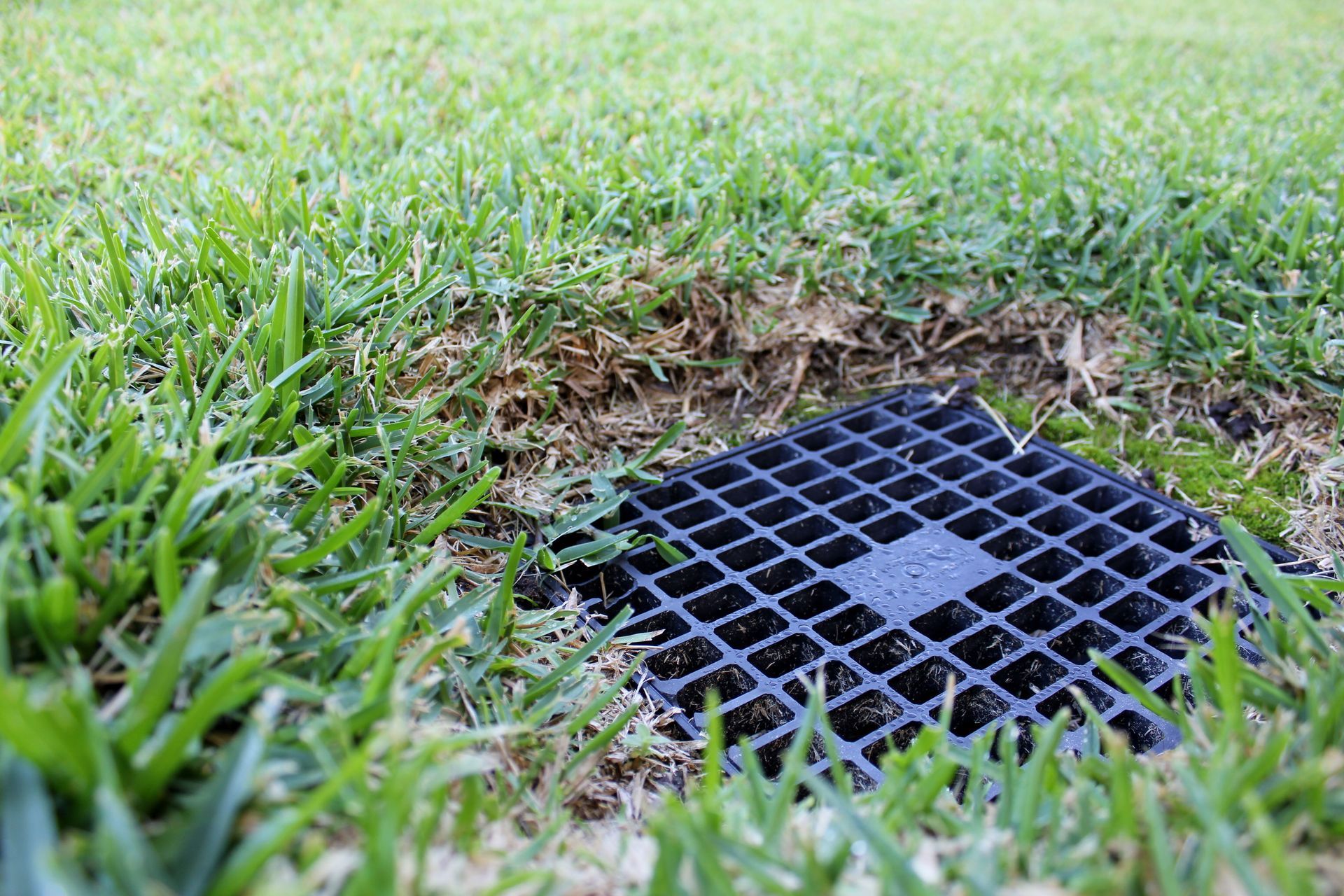
Seasonal inspections help identify potential concerns before they become serious. Drainage grates, catch basins, and visible discharge areas should remain clear and functional.
Changes in landscaping can also influence system performance. Expanding root systems, settling soil, new hardscaping, or alterations to surrounding properties may affect existing water pathways.
After significant rainfall, unusual pooling or erosion may indicate that a drainage system needs professional evaluation.
At T.J.S. Enterprises Inc., we understand that dependable drainage solutions require proper installation and ongoing attention. Professional maintenance and timely repairs can help extend system life and protect surrounding landscaping.
Addressing developing problems promptly also helps prevent minor drainage concerns from becoming expensive restoration projects.
Choosing Professional Drainage Services for Lasting Results
Every landscape presents different challenges. Soil composition, grading, rainfall patterns, vegetation, and existing structures all influence how water moves across a property.
A system that works well in one yard may be unsuitable for another. Successful drainage planning requires evaluating these factors together and selecting methods that address the property's specific needs.
Professional installation is particularly important when drainage improvements involve excavation, underground piping, significant grading changes, or connections to existing stormwater infrastructure.
Experienced contractors can assess site limitations, determine appropriate materials, and consider applicable local drainage requirements.
Homeowners also benefit from coordinated landscape planning. Drainage features should work alongside patios, walkways, lawns, planting beds, and other outdoor improvements.
Rather than relying on temporary fixes, professionally developed drainage solutions offer a more comprehensive approach to protecting property conditions and maintaining attractive outdoor spaces.
Protecting Your Landscape With T.J.S. Enterprises Inc.
Effective drainage is essential for maintaining a healthy, attractive, and functional landscape. Whether your property experiences standing water, soil erosion, or recurring moisture problems, identifying the underlying cause is the first step toward lasting improvement.
At T.J.S. Enterprises Inc., we value thoughtful landscape planning that balances appearance, functionality, and long-term property protection. Proper water management helps preserve vegetation, support outdoor features, and reduce preventable damage.
If you're concerned about excess water affecting your landscape, contact T.J.S. Enterprises Inc. to discuss professional landscaping and water management options suited to your property's needs.